









Ah, spring, superb spring! Blue skies, heat days, budding bushes, blooming flowers . . . and the unwelcome return of seasonal allergy symptoms.
In case your seasonal sneezing and wheezing, runny nostril, and itchy eyes appear worse than ever, you’re not alone. In 2021, based on the Facilities for Illness Management and Prevention, a couple of in 4 adults and almost one in 5 youngsters in the US reported seasonal allergy symptoms, also referred to as hay fever or allergic rhinitis. That’s roughly 81 million individuals. And research say that these numbers are on the rise.
“Seasonal allergic reactions happen when one thing within the atmosphere triggers or hijacks our protecting immune response,” explains New York Metropolis–based mostly functional-medicine practitioner Leo Galland, MD, coauthor of The Allergy Answer.
And though the environmental triggers of seasonal allergy symptoms rely on a number of components, analysis from across the globe factors to the rising function of local weather change as a key driver.
“Rising general temperatures, CO₂ ranges, earlier springs, and summer time temperatures that reach longer into the autumn can improve pollen amount and length,” explains Kara Fitzgerald, ND, IFMCP, whose Connecticut-based apply has seen a rise in allergy sufferers of all ages.
Avoiding environmental triggers is troublesome, however there are measures you’ll be able to take to control your immune response and reduce signs.
Take away Vulnerabilities
Seasonal pollen might not be the only real offender behind signs, consultants notice. Meals allergy symptoms and sensitivities could make pollen-allergy signs worse, and figuring out and eradicating sure meals, even briefly, could also be useful.
“Allergic responses may be exacerbated when the physique is overloaded with triggers, and food regimen is an apparent place to begin decreasing that burden,” says Fitzgerald. “Food plan can have a profound impact on allergic responses.”
As an example, cross-reactivity between meals and pollen allergens happens when your immune system mistakenly acknowledges structurally related proteins in each substances as a menace, resulting in reactions.
In a single examine, researchers in northern Europe discovered that 70 % of sufferers who had been allergic to the birch pollen ample in that area had been additionally allergic to apples, celery, carrots, nuts, soybeans, or stone fruits — all of which comprise proteins much like birch pollen.
Comparably, individuals with a ragweed allergy are sometimes delicate to melons, bananas, citrus fruits, or tomatoes, Galland says.
“If in case you have already turn into allergic to one thing within the air, there could also be meals you might be consuming which might be related sufficient to that allergen that consuming them will improve your signs throughout allergy season,” he says.
Galland advises his sufferers to think about avoiding greens and fruits that may worsen signs throughout this time. “However by means of the remainder of the yr, you’ll be able to construct up your antioxidant standing by consuming unprocessed fruit and veggies,” he says. “The truth is, consuming these allergens out of season could make you much less delicate over time.”
It’s additionally worthwhile to discover meals sensitivities or intolerances, says Minneapolis-based integrative nutritionist Jesse Haas, CNS, LN.
“In case you’re consuming meals that set off an inflammatory response, that may make it tougher in your immune system to take care of seasonal allergy symptoms,” says Haas, who typically recommends seasonal-allergy sufferers strive an elimination food regimen to determine potential meals triggers.
Construct Resilience
Past eradicating meals triggers, consultants advocate normal consuming patterns that make sure the physique has the vitamins it wants for optimum perform and resilience.
Haas advises consuming a plant-based, anti-inflammatory, whole-foods food regimen. “This implies our meals are balanced — so we’re getting protein, fats, and fiber at every meal,” she says. “And we’re consuming a lot of shade, a lot of fruit and veggies.”
A complete-foods method additionally helps your gastrointestinal tract, which homes 70 to 80 % of your physique’s immune cells. “The intestine is designed to fight allergy,” Galland says. “In case you deal with your intestine correctly, you’ll be able to diminish allergy.”
Attain for meals that increase your resilience towards seasonal allergy symptoms:
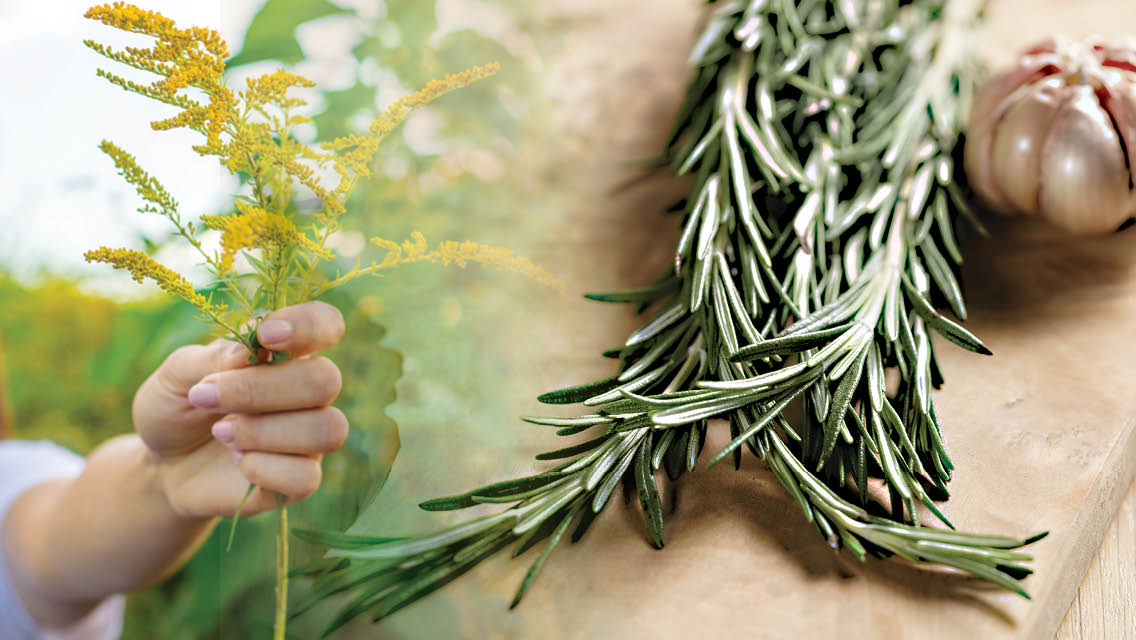
• Antioxidant crops: Eat loads of darkish leafy greens, broccoli, cauliflower, beets, bell peppers, garlic, and crimson onions, says Fitzgerald. She provides that many herbs and spices — together with cinnamon, rosemary, and black pepper — are additionally excessive in antioxidant and anti inflammatory compounds (Take a look at “Tips on how to Add Extra Fiber, Protein, and Antioxidants to Your Plate” for straightforward add-ons to get you extra of the vitamins that matter.)
• Anti-inflammatory fat: Irritation-tamping omega-3 fatty acids are present in flaxseed, chia seeds, and wild-caught salmon.
In case you can, select natural, wild, or grassfed animal proteins to cut back pesticide and synthetic-hormone publicity, advises Fitzgerald.
• Pure antihistamines: Citrus, apples, broccoli, fennel, cherries, crimson cabbage, and wild rice comprise quercetin, which has antihistamine properties. Fitzgerald additionally recommends herbs like parsley, thyme, turmeric, ginger, chamomile, and holy basil. (See “Can Quercetin Relieve Your Seasonal Allergic reactions?” for extra.)
• Microbiome boosters: Onions, leeks, lentils, jicama, asparagus, and Jerusalem artichokes comprise dietary fibers that stimulate the expansion of helpful intestine micro organism, as do fermented meals, together with sauerkraut, yogurt, kefir, miso, and kimchi.
Consuming regionally grown honey is a well-liked residence treatment for constructing allergy immunity, however analysis has been unable to show its efficacy. The crops most accountable for seasonal allergy symptoms are pollinated by wind, not bees. Honey in tea does really feel good on a sore throat, although.

Handle Signs
In case you use seasonal allergy drugs, focused dietary dietary supplements can provide extra assist. They might even scale back or remove the necessity for drugs.
• Vitamin D helps immune perform, and lots of consultants imagine that most individuals have inadequate ranges required for optimum well being. “It’s not that loading up on further vitamin D goes to reverse the allergy, however low ranges can worsen allergy,” says Galland, who recommends taking 1,000 to 2,000 IUs per day.
• Vitamin E has been proven to enhance nasal signs in individuals with allergic rhinitis. Galland recommends 400 IUs of alpha-tocopherol for seasonal allergy symptoms, noting that one other type of vitamin E, gamma-tocopherol, can worsen bronchial asthma and reduce lung perform.
• N-acetylcysteine (NAC) is an antioxidant that thins mucus and may scale back congestion within the lungs, says Haas. She prescribes 600 milligrams one to 3 instances a day for sufferers new to NAC. For these susceptible to dry sinuses or a bloody nostril, she suggests taking it each different day.
• Quercetin and luteolin are generally used bioflavonoids which have anti-inflammatory, antioxidant, and antiallergic results. They are often taken seasonally for antihistamine assist, says Fitzgerald. Each have low bioavailability, nonetheless, so ask your practitioner for a recommended formulation and optimum dosage. Contemplate beginning them upfront of pollen season to forestall signs.
• Probiotics — specifically, strains of Lactobacillus paracasei — have been proven to alleviate signs of allergic rhinitis, says Galland, including that any Lactobacillus-containing probiotic will doubtless be helpful. He notes it could take a few months for probiotics to exert their antiallergic results. (Be taught extra in regards to the probiotics at “Every little thing You Have to Know About Probiotics.”)
• Black cumin-seed oil, also referred to as Nigella sativa, has proved efficient towards allergic rhinitis in each human and animal research. Members in a current examine who took 250 mg with 2.5 mg piperine as a bioavailability enhancer twice a day for 15 days skilled vital reductions in nasal and eye signs in contrast with these who took a placebo. (Piperine is a bioactive compound present in black pepper.)
These interventions are usually protected to strive alongside drugs, consultants say. “Symptom administration is a crucial a part of enhancing high quality of life,” says Haas, who notes that something bringing aid from signs provides you area to concentrate on a broader resilience-building food regimen.
“Nevertheless you get there’s good,” she says. “And doing so in a approach that’s affordable and sustainable and works for you is essential.”
This text initially appeared as “Seasonal Allergic reactions within the Local weather Disaster” within the March/April 2026 challenge of Expertise Life.
The publish Why Seasonal Allergic reactions Are Getting Worse — and What You Can Do About It appeared first on Expertise Life.