










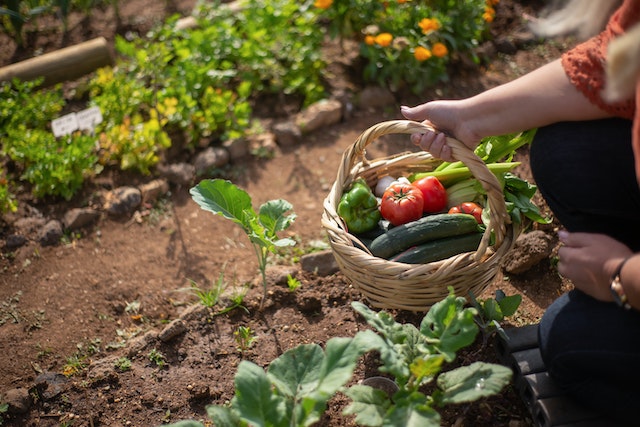
For a lot of yard horticulturalists, there’s one query that usually wants answering. Can you retain a vegetable backyard going all yr spherical? The brief reply? Sure, however it’s possible you’ll have to make some modifications to your current setup as a way to make it work.
What To Plant
It’s fairly frequent information that many vegetation are seasonal, with various crops through the spring, summer time, autumn and winter months. Though there are some exceptions – some are coated beneath – if you wish to plant a few of these seasonal vegetation you’ll both have to rotate what vegetation are in your vegetable gardens or go away elements of your backyard naked for some months of the yr.
Spring and Summer season
Spring gardening tends to concentrate on vegetation that thrive with common watering and thru lengthy publicity to the solar.
Beans
There are two forms of beans, bush and pole. Beans yield all year long, though they have an inclination to die down in periods of frost and have a tendency to not. For finest outcomes, start planting in late April and plant a brand new row of beans each 2 weeks.
Carrots
Carrots are robust vegetation that get pleasure from moisture within the soil, significantly within the early days of their germination. The most effective time to plant carrots is on the tail finish of winter, round three weeks earlier than spring – or in any lengthy stretch of cool climate. Though they gained’t emerge inside the winter, by early spring you must have a crop of carrots prepared to reap.
Cucumber
Cucumbers thrive in sizzling climate, requiring a substantial quantity of heat and daylight as a way to survive. These vegetation must be watered recurrently, and though they are often grown outdoors of summer time the lengthy summer time days of direct daylight encourage the perfect outcomes.
Peas
Like carrots, peas get pleasure from cool climate, though they aren’t fairly as hardy as vegetation like carrots. It’s normally secure to plant them within the final two weeks of winter, with one other crop planted each two weeks thereafter identical to beans. Peas may be planted and harvested like this till the early weeks of summer time.
Zucchini
A kind of squash, the Zucchini is especially fitted to the spring and summer time months. The earliest you may plant them is often one week earlier than spring, nonetheless, you’ll want to reap them comparatively early throughout summer time because the scorching warmth is usually a downside for them.

Autumn and Winter
If you happen to’re considering of tackling winter veggie gardening the very first thing to know is that for lots of the crops we’ve talked about already, there are winter variants that thrive within the colder seasons.
Beets
Beets require solely somewhat heat, somewhat solar, and good watering to thrive. You possibly can start planting in late autumn, and planting a row of beets each three weeks ought to guarantee a steady yield all through the winter months.
Spinach
One other cold-weather plant is Spinach, and this one is especially resilient to frosty situations. Planting a row each two weeks within the autumn months ought to guarantee a steady yield all through winter.
Winter Squash
The winter squash enjoys situations just like that of the zucchini, making a superb plant to modify between from one season to the opposite. Nevertheless, in contrast to the zucchini which ought to be harvested comparatively early, the winter squash takes a very long time to ripen and may solely be harvested as soon as it has reached full maturity.

All Season
Lettuce
Though it does must be protected over the summer time, lettuce is a crop that may be cultivated year-round. There are lots of sorts of lettuce, and a number of harvests may be obtained all year long.
Radishes
An extremely resilient plant, a wholesome batch of radishes may be planted and harvested each three weeks all yr spherical. As long as the soil is saved persistently moist they are going to thrive even with lower than optimum daylight.
Kale
One other extremely resilient plant, Kale may be planted and harvested all all year long – even throughout summer time as long as they’re protected against the scorching warmth. Filtering daylight and retaining them heat as a substitute of sizzling may be key, however Kale additionally thrives in durations of frost – typically tasting higher in consequence.
Conserving It Thriving
Every plant does have completely different wants, so for those who’re going to maintain it thriving you’ll have to rigorously contemplate every crop’s wants when it comes to fertiliser, daylight and water. For finest outcomes, you may wish to part every a part of your backyard for every plant, however for those who’re continually rotating vegetation in the identical backyard you’ll have to pay shut consideration to the dietary wants of your vegetation to make sure they’re getting the correct amount of daylight, water and vitamins within the soil.