










A research discovered this specific food plan is related to decrease charges of Alzheimer’s illness. This is why that may be the case.
May the MIND food plan — a nutritious diet heavy on greens and entire grains and reasonable on fish, poultry and wine — forestall your threat of growing Alzheimer’s illness? Scientists who developed the food plan, which is a mixture of a Mediterranean and a heart-healthy food plan, assume so. In a 2015 research of 923 contributors aged of their late 50s to late 90s, they discovered that strictly adhering to the MIND food plan could have lowered peoples’ threat of growing Alzheimer’s by as much as 53 p.c.
The MIND food plan stands for Mediterranean-DASH Intervention for Neurodegenerative Delay. Developed by Martha Clare Morris and her crew at Rush College, the food plan is a hybrid of the Mediterranean and DASH (Dietary Approaches to Cease Hypertension) diets, which have each been proven to have protecting results in opposition to cardiovascular situations that may affect mind well being.
Morris and her crew of researchers gave 19 cognitive assessments every year to 923 folks between the ages of 58 and 98 years outdated who didn’t have Alzheimer’s when the research started. The scientists rated how carefully contributors adopted the MIND food plan by monitoring consumption for 10 brain-healthy meals teams in contributors’ meals logs: inexperienced leafy greens, different greens, nuts, berries, beans, entire grains, fish, poultry, olive oil and wine.

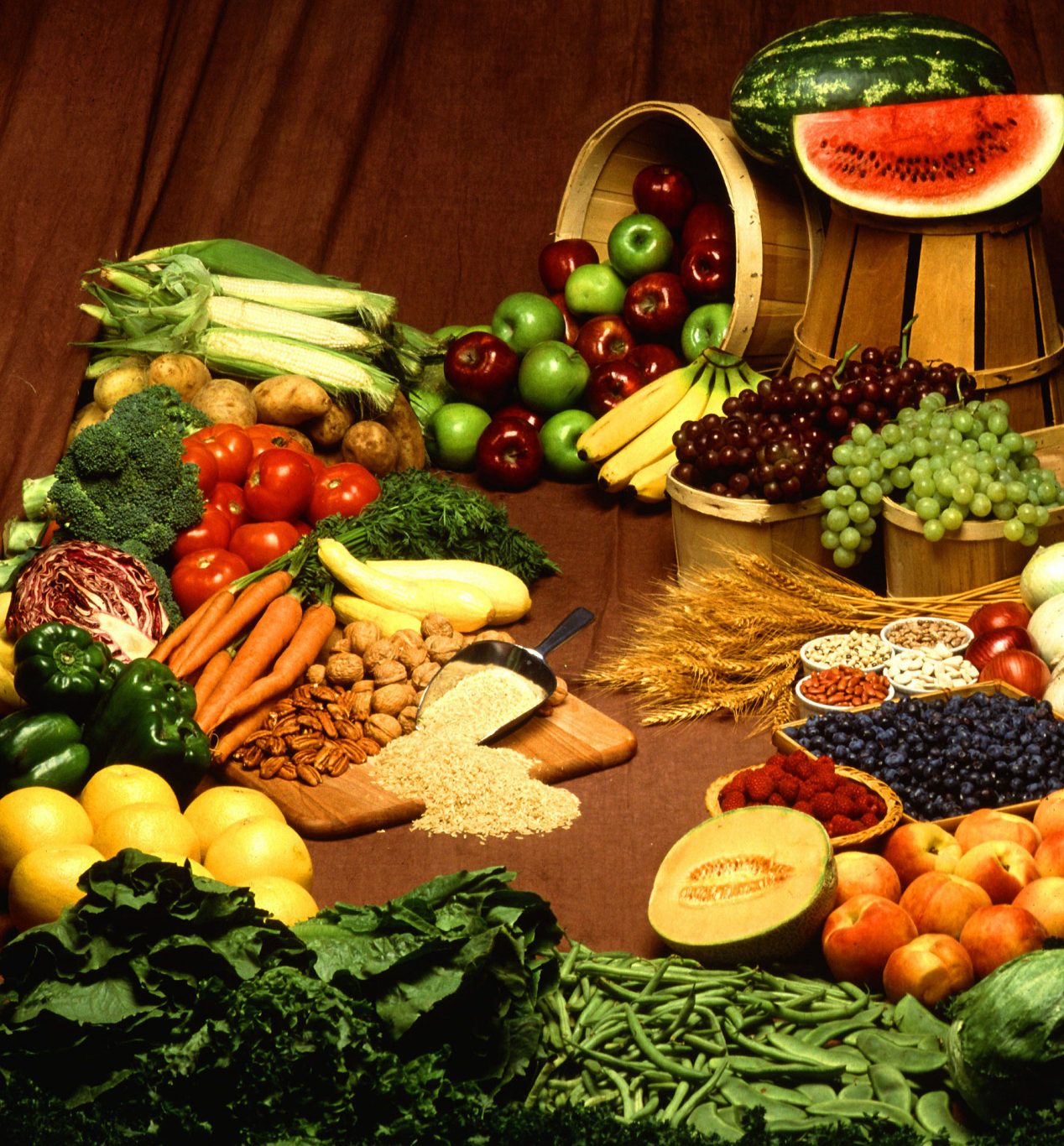
The MIND food plan recommends two or extra servings of berries and at the least six servings of inexperienced leafy greens per week, consuming nuts all through the week, beans almost each different day, three servings of entire grains per day, at the least one fish meal and two poultry meals per week and one glass of wine per day. The scientists additionally regarded for frequency of 5 unhealthy meals teams: pink meat, butter and stick margarine, cheese, pastries and sweets, and fried/quick meals.
The MIND food plan recommends limiting pink meats, pastries and sweets; consuming lower than one tablespoon of butter and stick margarine per day, and fewer than one serving of cheese and quick meals per week.
“The MIND food plan has been proven to be
good for coronary heart illness and different issues,
so in case you’re lowering different threat elements,
that by extension reduces your
neurodegenerative threat.”
–Dr. Marwan Sabbagh
The research discovered that even reasonably following the MIND food plan appeared to have advantages that protected in opposition to Alzheimer’s. Scientists ranked how properly folks adhered to the MIND food plan, giving them a rating between 0 and 15, with 15 being the very best rating. They then analyzed the connection between food plan scores and what number of years it took the contributors who developed Alzheimer’s to obtain their prognosis, adjusting for different elements that may improve their probability of growing Alzheimer’s, reminiscent of intercourse, training or quantity of bodily exercise. Members who scored the best (8.5 to 12.5) had a 53 p.c discount within the price of Alzheimer’s, and contributors within the center third (7 to eight), who adopted the food plan part-time, had a 35 p.c discount price.
So, how does the MIND food plan examine to different meals regimes which will forestall dementia? Whereas a earlier research discovered that individuals who adopted the MIND food plan had slower cognitive decline than those that adopted the Mediterranean and DASH diets, this research discovered that each the MIND and Mediterranean diets have related protecting results. Scientists are nonetheless divided in regards to the affect of life-style elements on threat of dementia however many consider that food plan does play an vital position.
“In prevention, I feel the Mediterranean food plan tends to carry up scientifically,” mentioned Dr. Marwan Sabbagh, M.D., a board licensed neurologist, geriatric neurologist and one of many main consultants on Alzheimer’s. “The MIND food plan has been proven to be good for coronary heart illness and different issues, so in case you’re lowering different threat elements, that by extension reduces your neurodegenerative threat, and there’s some hints that that method is straight helpful,” he mentioned.
Morris factors out that even when persons are skeptical in regards to the results of food plan on mind well being, there’s a confirmed connection between coronary heart and mind situations, and clear proof that food plan influences coronary heart well being. “There’s a enormous connection between situations and illnesses of the guts and mind,” she says. Cardiovascular situations reminiscent of hypertension, coronary heart illness, diabetes, stroke and weight problems are related to Alzheimer’s, says Morris, and there’s sturdy proof that reveals food plan is a crucial threat issue for these situations. “That could be a very ironclad, established trigger and impact,” she mentioned.
A number of massive research have additionally regarded on the MIND food plan amongst separate populations and located that the food plan led to decreased threat of dementia, Morris says. “That was very thrilling to produce other folks affirm our discovering,” she provides. Her crew’s most up-to-date research checked out one element of the MIND food plan—leafy greens—and located that consuming greens like kale, spinach and lettuce slows cognitive decline.
Scientists consider further research are wanted to find out the correlation between a nutritious diet and Alzheimer’s prevention. Whereas Sabbagh mentioned that analyses of food plan and Alzheimer’s prevention counsel sure meals are helpful, scientists want to find out whether or not they can show this discovering in a medical trial.
Morris’ research was observational, making it straightforward to attract associations between consuming sure meals and dementia threat, however tough to find out trigger and impact. Whereas the research affords proof that following the food plan could defend in opposition to growing Alzheimer’s, different elements may have affected the discount within the price of Alzheimer’s illness, together with life-style or cardiovascular-related situations.
So, can we keep off Alzheimer’s with a nightly glass of wine and additional servings of veggies? “I want it was that easy, but it surely’s not,” says Sabbagh. “You need to embrace wellness in totality. You need to food plan, you need to eat proper, you need to train. The dietary supplements haven’t been confirmed, however that doesn’t imply you shouldn’t take into consideration dietary supplements. You need to be engaged in cognitive simulation. You need to do all of it. You’ll be able to’t simply say, ‘I’m going to eat a horrible food plan, be sedentary, after which purchase each complement within the complement aisle, and it’ll be high quality.’ It doesn’t work that method. You need to do every little thing,” he mentioned.
What else are you able to do to help mind well being? Though there’s at the moment not sufficient knowledge to find out food plan and dietary supplements’ full affect on Alzheimer’s prevention, The Nationwide Academy of Sciences convened an professional panel and performed a meta-analysis on each piece of information on Alzheimer’s illness to find out elements which are brain-health protecting.
“Persons are all the time questioning, ‘Does it actually matter?’ ‘Do this stuff really work?’ ‘Are you able to show that there’s any profit in doing something?’ And the reply, lastly, is sure,” mentioned Sabbagh. “For the primary time ever, [the panel from the National Academy of Sciences] has three suggestions which are proven to be brain-health protecting. They’re bodily train, cognitive stimulation and blood strain administration.”
“We need to all have interaction in wellness and mind well being.
What’s the quickest factor you are able to do
to change that? It’s your food plan.”
–Dr. Marwan Sabbagh
Though the panel didn’t give specifics on actions (Sudoku vs. a crossword puzzle, or lifting weights vs. jogging, for instance), proof suggests the three elements they recognized are helpful in stopping Alzheimer’s. The panel had inadequate knowledge for food plan and dietary supplements as a result of the “food plan idea remains to be evolving,” Sabbagh mentioned. “It’s solely as a result of they’re going to take all goal scientific knowledge and weigh it in opposition to one another, and so they’re simply saying, ‘There’s not sufficient knowledge round food plan to advocate a selected food plan for mind well being prevention,’” he mentioned.
Sabbagh burdened that the food plan he recommends just isn’t prescriptive, and other people ought to give attention to the general significance of food plan. “We need to all have interaction in wellness and mind well being. What’s the quickest factor you are able to do to change that? It’s your food plan,” mentioned Sabbagh.
In three years, Morris and her crew will add extra knowledge to the present analysis. They’re engaged on a big randomized management trial to check whether or not following the MIND food plan has a causal impact on slowing cognitive decline and lowering mind neurodegeneration. The crew will observe adjustments in mind quantity over a three-year interval, specializing in the areas most affected by Alzheimer’s. “These outcomes shall be prepared in 2021, so that’s our largest endeavor,” she mentioned. “Now we have a lot to be taught, so hopefully we’re originally of excellent analysis on this subject,” she provides.
The unique MIND food plan research was printed in Alzheimer’s & Dementia: The Journal of the Alzheimer’s Affiliation.